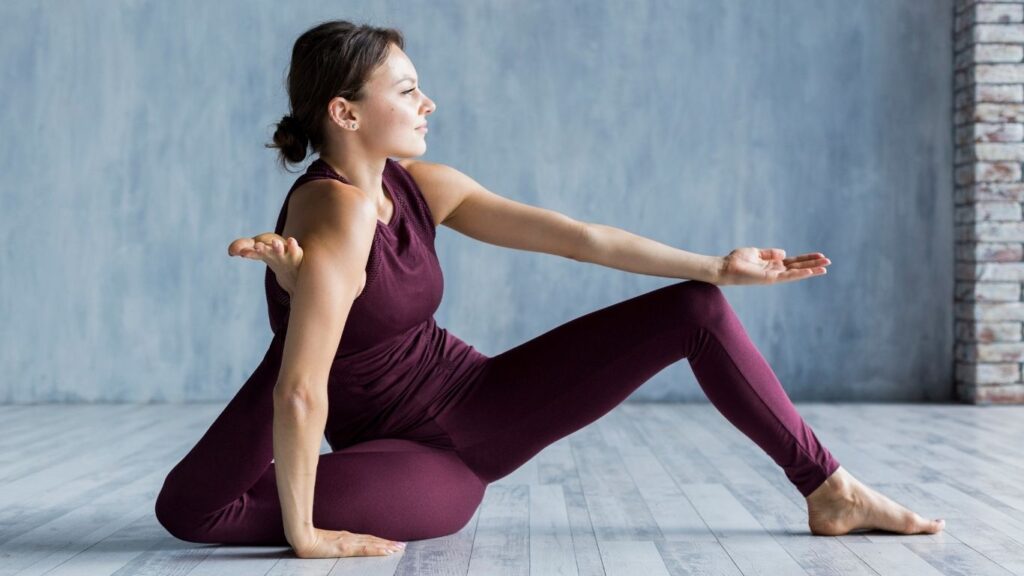
Power Yoga, a more intense and fitness-focused style of yoga, is perfect for those looking to build strength, flexibility, and confidence. Unlike traditional yoga, which often emphasizes relaxation and stretching, Power Yoga combines strength training with dynamic movements to challenge both the body and the mind. Here’s a beginner’s guide to Power Yoga basics that will help you on your journey to a stronger, more confident self.
What is Power Yoga?
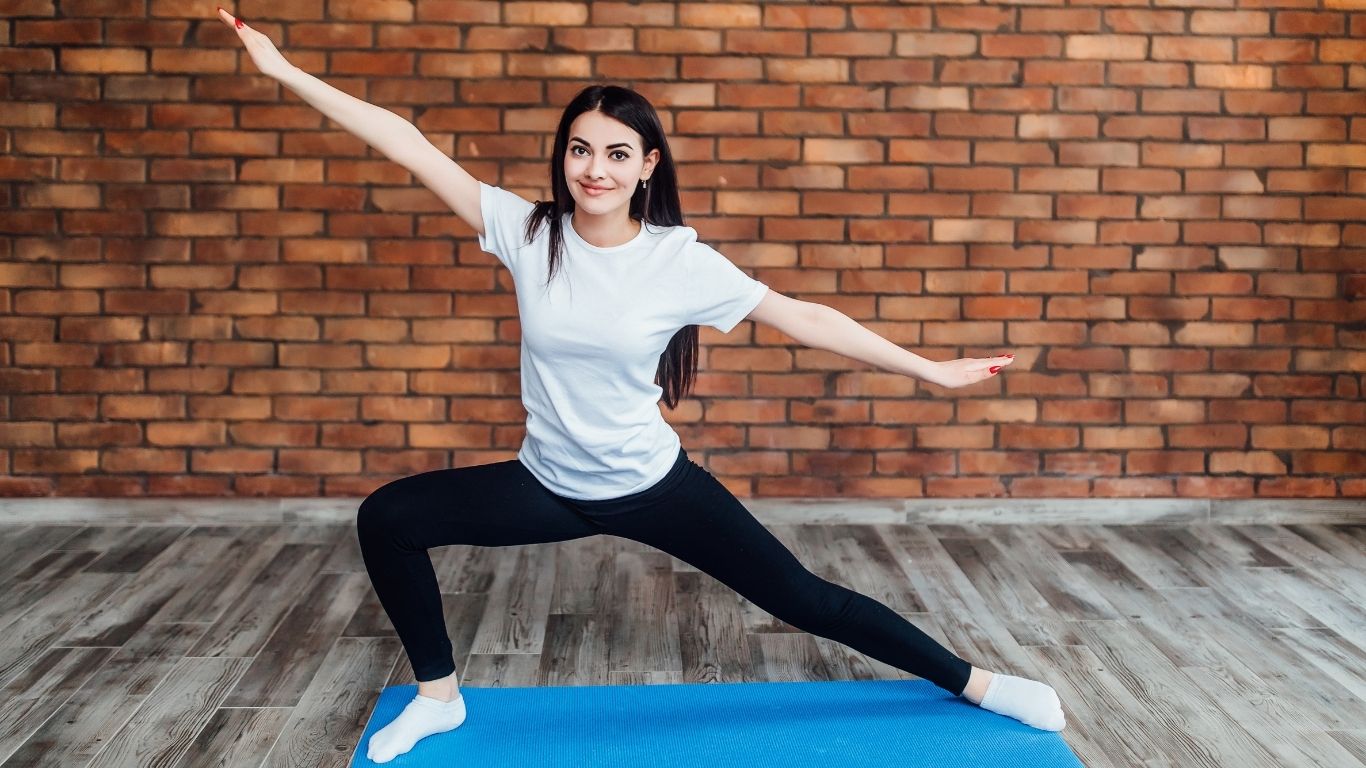
Power Yoga is a modern form of yoga that evolved from Ashtanga Yoga. It incorporates flowing movements, intense poses, and breathing exercises aimed at building both physical strength and mental resilience. Power Yoga emphasizes a quicker pace and holds poses for longer periods, which engages muscles and helps in developing endurance, flexibility, and balance.
Key Benefits of Power Yoga
- Builds Strength: Power Yoga helps develop muscle strength by holding postures that target multiple muscle groups. The constant movement in the practice increases your heart rate, acting as a cardiovascular workout while also building strength.
- Enhances Flexibility: Over time, the variety of stretches and holds will help loosen tight muscles and improve overall flexibility.
- Boosts Confidence: By mastering poses and pushing through challenges, Power Yoga helps you feel more confident in both your body and mind.
- Improves Mental Focus: The need for mental clarity and concentration in Power Yoga strengthens your focus, helping to clear your mind and build mental discipline.
- Reduces Stress: Like traditional yoga, Power Yoga incorporates deep breathing techniques that help lower stress levels and promote relaxation.
Essential Power Yoga Poses for Beginners
- Downward Dog (Adho Mukha Svanasana)
This foundational pose helps stretch the back and legs while building strength in the arms and shoulders. Start on your hands and knees, lift your hips high, and straighten your legs, forming an inverted “V” shape. Focus on grounding your hands and feet while pressing your chest towards your thighs. - Plank Pose (Phalakasana)
Plank is an excellent core-strengthening pose. Begin in a push-up position with your hands placed directly under your shoulders and your body forming a straight line from head to heels. Engage your core, keep your body firm, and hold for as long as you can. - Chaturanga Dandasana (Four-Limbed Staff Pose)
This pose targets the arms, chest, and core. From Plank Pose, lower your body halfway down while keeping your elbows close to your sides. Hold the position briefly before pushing back into Downward Dog. - Warrior I (Virabhadrasana I)
A strong pose that builds strength and stability in the legs while opening the chest. Step one foot forward into a lunge, keeping your back leg straight and your arms overhead, with your hips squared forward. This pose increases flexibility in the hips and strengthens the legs. - Warrior II (Virabhadrasana II)
Warrior II helps to strengthen the legs and open the hips. From Warrior I, rotate your torso and hips to face the side, keeping your arms extended parallel to the ground. This pose is excellent for increasing stamina and mental focus. - Bridge Pose (Setu Bandhasana)
This pose targets the core, glutes, and lower back. Lie on your back with your knees bent and feet flat on the floor. Lift your hips towards the ceiling, squeezing your glutes as you hold the pose. Bridge Pose also opens the chest and relieves stress.
Tips for Getting the Most Out of Power Yoga
- Start Slow: If you’re new to Power Yoga, don’t push yourself too hard in the beginning. Focus on mastering the basic poses before moving on to more advanced variations.
- Mind Your Breathing: In Power Yoga, your breath is your guide. The practice emphasizes synchronized breathing to help fuel movement. Inhale deeply when lengthening the body and exhale when contracting muscles.
- Listen to Your Body: Avoid overexertion. If a pose feels too difficult, modify it to match your current ability. Remember, yoga is about progress, not perfection.
- Stay Consistent: For the best results, practice regularly. Aim for at least three to four sessions per week to see significant improvements in strength and flexibility.
- Use Props if Needed: Props like yoga blocks or straps can assist in achieving proper alignment and extending your range of motion.
How to Incorporate Power Yoga into Your Routine
Power Yoga can be practiced as a standalone workout or in combination with other fitness routines like weight training or cardio. It’s ideal for people who want to improve their strength and flexibility without the need for gym equipment. You can practice Power Yoga in a class setting, follow online tutorials, or build your own routine by combining poses that target different muscle groups.
If you’re looking to increase your overall fitness, consider adding Power Yoga sessions before or after a cardio workout, such as running or cycling. This will not only enhance your flexibility but also help reduce muscle soreness and promote faster recovery.
FAQ
1. How often should I practice Power Yoga?
It’s recommended to practice Power Yoga at least 3 to 4 times a week for optimal results. However, if you’re new to yoga or fitness, start with 2 to 3 times a week and gradually increase the frequency.
2. Is Power Yoga suitable for beginners?
Yes! While Power Yoga can be challenging, many poses can be modified to suit beginners. It’s important to start slow, focus on learning the basics, and listen to your body to avoid injury.
3. Can Power Yoga help me lose weight?
Yes, Power Yoga can aid in weight loss as it involves both strength-building exercises and cardiovascular movements. The intensity of the workout helps burn calories and improve metabolism.
4. Do I need to be flexible to start Power Yoga?
No, flexibility is not a prerequisite for starting Power Yoga. The practice will help improve your flexibility over time, and it’s perfectly fine to modify poses until your flexibility increases.
5. Can Power Yoga be done at home?
Absolutely! Power Yoga can be easily practiced at home. All you need is a yoga mat, comfortable clothing, and enough space to move. Consider following online classes or using apps to guide you through different routines.