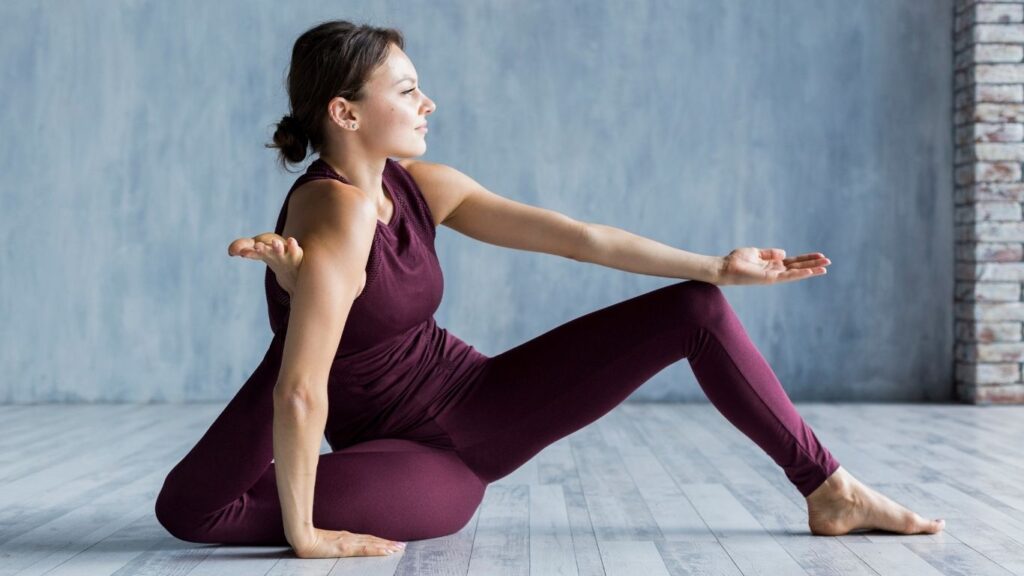
In today’s fast-paced world, stress and sleep disturbances are common issues that affect millions of people. Yoga, with its focus on mindfulness, deep breathing, and relaxation, can be an excellent tool to reduce stress and promote better sleep. Whether you’re dealing with work-related anxiety, emotional stress, or simply having trouble winding down at night, these seven yoga poses can help you achieve a more peaceful mind and a restful night’s sleep.
1. Child’s Pose (Balasana)
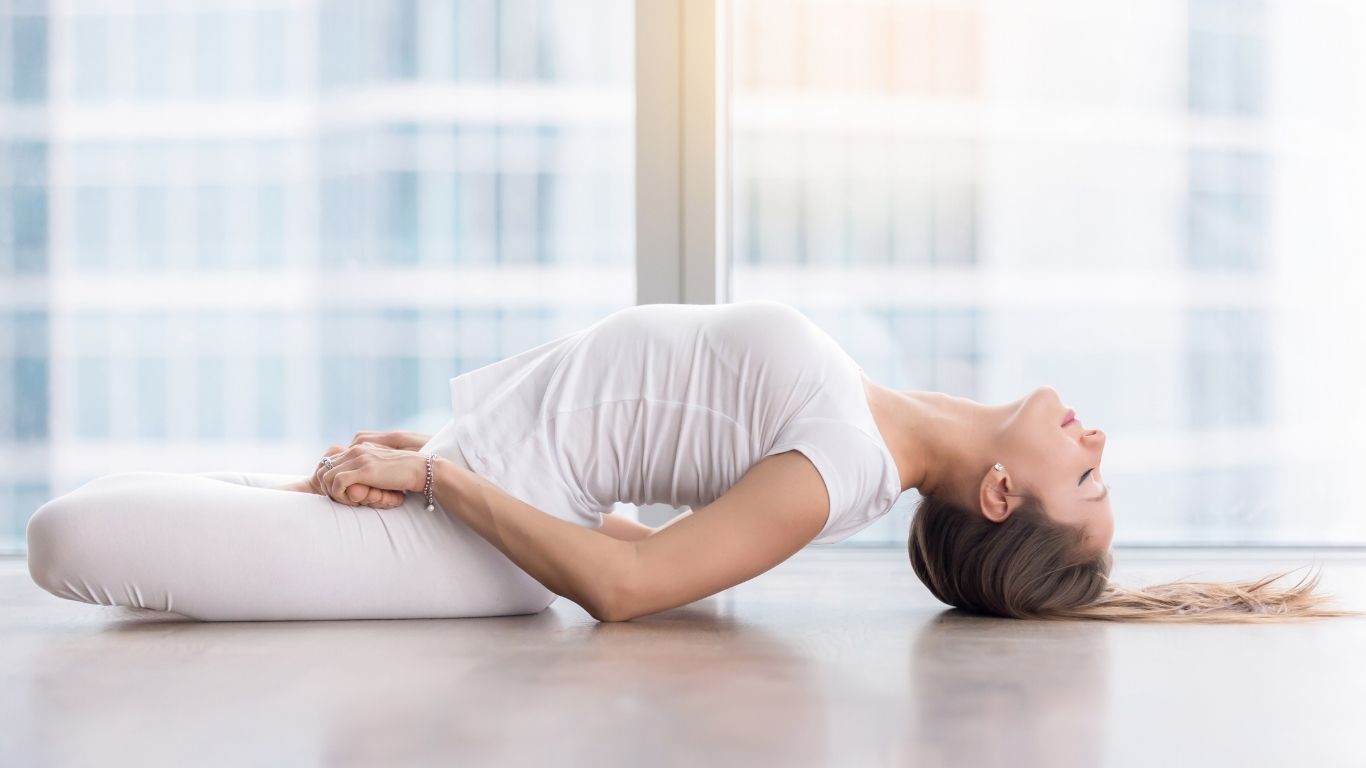
Child’s pose is a simple yet powerful asana that helps release tension in the back, shoulders, and neck. It promotes relaxation and provides a moment of stillness, making it ideal for calming the mind before bedtime.
How to do it:
- Start by kneeling on the floor with your knees spread wide.
- Gently lower your torso to the floor, bringing your forehead to the mat.
- Extend your arms in front of you or rest them by your sides.
- Breathe deeply and hold for 5-10 breaths.
2. Forward Fold (Uttanasana)
This gentle forward fold stretches the back of the legs and helps calm the nervous system. It’s particularly effective in releasing tension in the lower back and neck, both common stress points.
How to do it:
- Stand with your feet hip-width apart.
- Slowly hinge at the hips and fold forward, letting your head and neck relax.
- Keep a slight bend in your knees if needed.
- Hold the pose for 5-10 breaths, allowing your body to relax deeper with each exhale.
3. Legs Up the Wall (Viparita Karani)
Legs up the wall is a restorative pose that helps relieve tired legs, reduce anxiety, and encourage relaxation. It’s also known to activate the parasympathetic nervous system, which is responsible for calming the body.
How to do it:
- Sit next to a wall and swing your legs up, placing them flat against the wall.
- Lie back, keeping your shoulders and head on the floor.
- Rest your arms by your sides or place them on your abdomen.
- Close your eyes and focus on deep breathing. Hold for 5-10 minutes.
4. Reclining Bound Angle Pose (Supta Baddha Konasana)
This pose opens the hips and promotes deep relaxation. By gently stretching the inner thighs and groin, it helps release tension, which is crucial for calming the mind and preparing the body for sleep.
How to do it:
- Lie on your back and bring the soles of your feet together.
- Let your knees fall out to the sides, keeping them supported with pillows or blankets if needed.
- Place your hands on your belly or by your sides.
- Breathe deeply and hold for 5-10 minutes.
5. Cat-Cow Pose (Marjaryasana-Bitilasana)
The combination of cat and cow pose helps increase flexibility in the spine and relieves tension in the neck and shoulders. It also promotes deep breathing, which calms the nervous system.
How to do it:
- Start on all fours with your wrists directly under your shoulders and your knees under your hips.
- Inhale as you arch your back and look up (cow pose).
- Exhale as you round your back and tuck your chin to your chest (cat pose).
- Repeat for 5-10 rounds, focusing on your breath.
6. Savasana (Corpse Pose)
Savasana is one of the most restorative yoga poses, as it allows the body and mind to fully relax. It helps release any residual tension and is perfect for preparing the body for a restful night’s sleep.
How to do it:
- Lie on your back with your arms by your sides, palms facing up.
- Allow your legs to relax and fall open.
- Close your eyes and focus on your breath.
- Stay in this position for 5-10 minutes, letting go of any thoughts and focusing solely on your breath.
7. Seated Forward Fold (Paschimottanasana)
This calming pose stretches the entire back of the body, from the spine to the hamstrings, and encourages a sense of relaxation and mental clarity. It’s a great pose to wind down after a long day.
How to do it:
- Sit on the floor with your legs extended straight in front of you.
- Inhale and lengthen your spine, and as you exhale, hinge forward from the hips, reaching your hands toward your feet.
- Keep your back as straight as possible and avoid rounding the spine.
- Hold for 5-10 breaths.
Frequently Asked Questions (FAQs)
Q1: How often should I practice these yoga poses for stress relief and better sleep?
A1: It’s recommended to practice these poses at least 3-4 times a week. However, incorporating them into your nightly routine, especially before bed, can help significantly improve sleep quality and reduce stress over time.
Q2: Can I do these yoga poses in bed?
A2: Yes, many of these poses can be modified to be done in bed, such as Child’s Pose, Legs Up the Wall, and Reclining Bound Angle Pose. This makes it easier to integrate into your evening routine.
Q3: How long should I hold each pose for maximum benefit?
A3: Holding each pose for 5-10 breaths is ideal for relaxation and stress relief. However, if you feel comfortable, you can extend the time for deeper relaxation.
Q4: Can yoga really improve the quality of my sleep?
A4: Yes, yoga helps reduce stress and anxiety, both of which are common sleep disruptors. The practice promotes relaxation through deep breathing and stretching, which can improve sleep quality and help you fall asleep faster.
Q5: Are there any additional tips for improving sleep with yoga?
A5: To enhance the benefits of yoga for sleep, create a calming environment in your bedroom. Avoid screens before bed, dim the lights, and focus on your breath during your yoga practice to signal to your body that it’s time to wind down.