Finding quiet moments in a busy day is not always easy, but restful yoga offers a simple way to settle the mind and release tension from the body. These gentle movements and slow breathing patterns allow your nervous system to shift from stress to ease. Whether you feel overwhelmed from work, study, family responsibilities, or general life pressure, a few calming poses can create real relief. Restful yoga does not require strength or flexibility. It focuses on comfort, softness, and breath. With regular practice, your body learns to relax faster, your thoughts slow down naturally, and anxiety gradually loses its grip. Here is how restful yoga helps and a few poses you can try at home.
Why Restful Yoga Works for Stress Relief
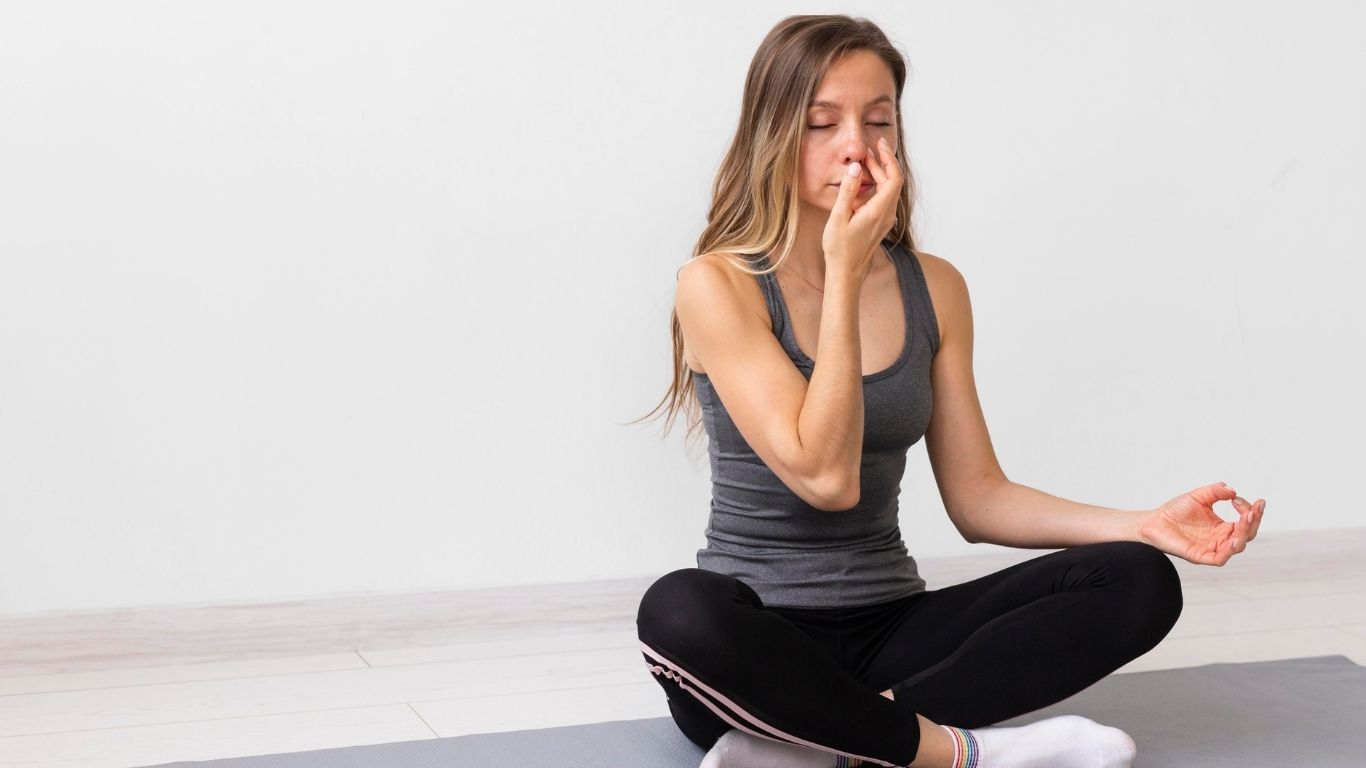
Restful yoga focuses on slow breathing, supported positions, and minimal effort. This type of practice activates the parasympathetic nervous system, which is responsible for rest and recovery. When this system turns on, your heart rate softens, your thoughts become quieter, and the body no longer feels like it is in fight or flight mode. Most people live with constant stimulation from screens, deadlines, and noise. Restful yoga brings the opposite. It invites stillness. Even ten minutes of gentle stretching can reset your mood and release tight muscles that build up from long hours of sitting or worrying.
Best Restful Yoga Poses for Stress and Anxiety
Child’s Pose
This pose allows your body to fold forward and release pressure from the back and shoulders. It creates a sense of safety and grounding. Kneel on the floor, sit back on your heels, and stretch your arms forward. Let your forehead rest on the mat and breathe slowly through the nose. Stay for one to three minutes.
Legs Up the Wall
A simple pose that relaxes tired legs and calms the mind. Sit close to a wall, lie on your back, and lift your legs so they rest up the wall. Keep your arms beside your body with palms facing upward. This position improves blood flow and signals the body to slow down.
Reclined Butterfly Pose
Lie on your back and bring the soles of your feet together while your knees fall open to the sides. Use pillows under your knees for support. This opens the hips, helps release emotional tension, and encourages deep breathing.
Supported Forward Fold
Sit with your legs stretched out. Place a pillow or bolster on your thighs and gently fold forward, resting your head on the cushion. This pose soothes the nervous system and is especially helpful before bedtime.
Corpse Pose
This final resting pose helps your body fully relax. Lie flat on your back with your arms slightly away from your sides and palms up. Close your eyes and focus on natural breathing. Stay for five minutes or more.
Tips to Make Your Practice More Calming
Practice in a quiet room where you feel safe.
Use pillows, blankets, or a bolster to make poses comfortable.
Slow your breathing and make each exhale longer than the inhale.
Keep your eyes closed during poses if it helps you relax.
Practice for at least ten minutes a day for best results.
How Restful Yoga Helps the Mind
Anxiety often shows up as racing thoughts, tight muscles, or trouble sleeping. Restful yoga teaches your mind to settle by focusing on slow breathing and stillness. The more you practice, the easier it becomes to pause anxious thoughts before they build into stress. This creates more mental clarity and emotional balance throughout the day.
FAQs
Can beginners do restful yoga?
Yes, it is perfect for beginners because the poses are simple, gentle, and supported.
How often should I practice for stress relief?
Try practicing three to five times a week, even if only for ten minutes.
Is restful yoga helpful for sleep?
Yes. Poses like Legs Up the Wall and Reclined Butterfly are great before bedtime.
Do I need any equipment?
You only need a mat, but pillows and blankets make the practice more comfortable.
Can restful yoga replace therapy for anxiety?
It can support mental health but should not replace professional care if you experience severe anxiety.