A calm night begins long before your head touches the pillow. Your body and mind need gentle cues that it is time to slow down, release the day, and move toward rest. A relaxing yoga flow is one of the easiest ways to ease tension and guide your system into a deeper, more refreshing sleep. Whether you are dealing with stress, tight muscles, or an overactive mind, these soothing poses create a bedtime routine that works like a soft switch, helping the body drift naturally toward rest.
Why Bedtime Yoga Helps You Sleep Better
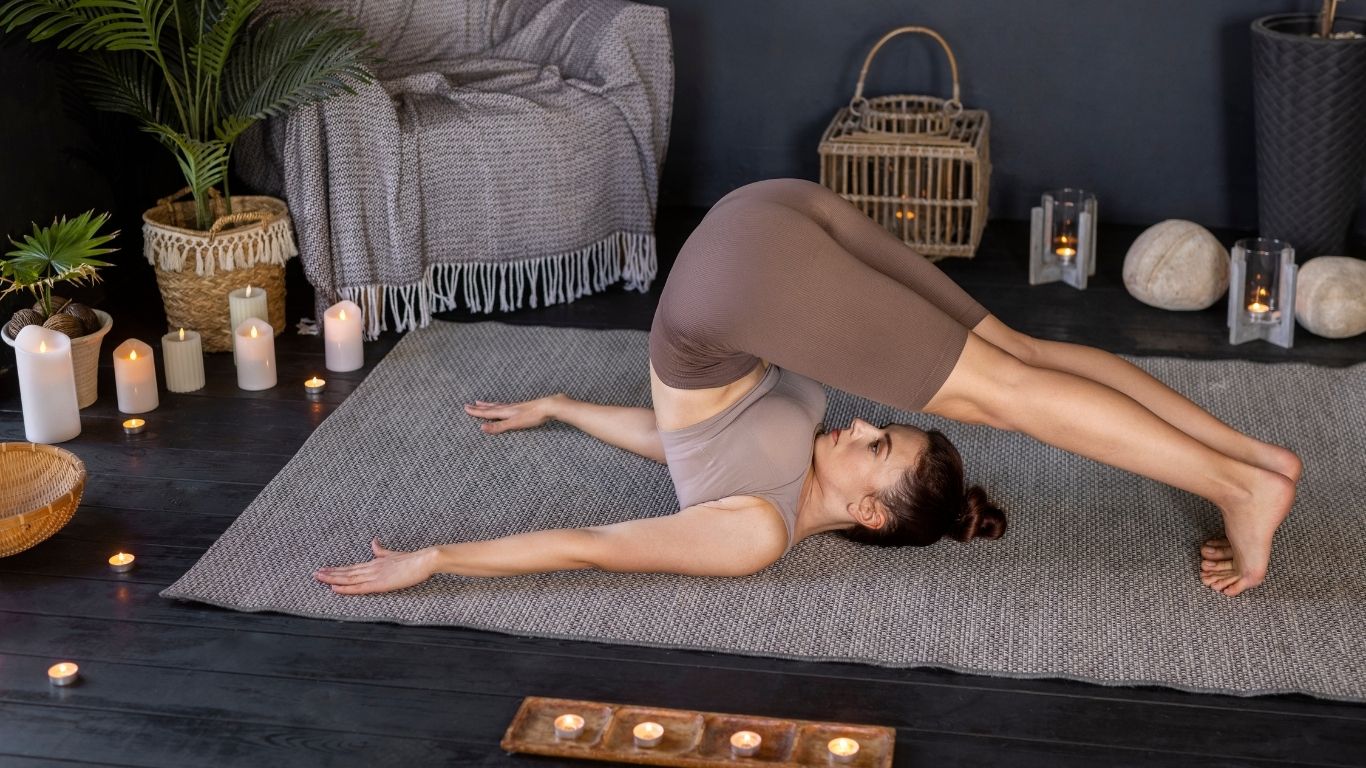
Evening yoga works by lowering the stress response that keeps your body alert. Slow movements and steady breathing reduce cortisol levels and loosen the muscles that tighten after a long day. This movement also signals the nervous system to shift into a calm state. When your breath slows, your heart rate drops and the mind becomes quieter. Practicing this at night tells your body that rest is not just allowed but welcome. Over time, this flow becomes a habit that prepares your body for sleep almost automatically.
Gentle Yoga Flow to Relax Your Body Before Bed
A bedtime yoga routine should feel soft, slow, and peaceful. Your goal is not to stretch deeply or push limits, but to release pressure. Below is a simple sequence that anyone can do before sleep.
Childs Pose
Begin by sitting back on your heels, then fold forward with your arms extended or resting beside your body. This pose melts tension from the shoulders, hips, and lower back. Stay here for a minute while breathing gently.
Seated Forward Fold
Sit with your legs stretched out and fold forward from your hips. This eases tight hamstrings and relaxes the spine. Let your breath guide you instead of forcing yourself down.
Legs Up the Wall Pose
This calming posture boosts circulation and reduces heavy legs after long hours of standing or sitting. Rest your legs up a wall, soften your shoulders, and breathe slowly. This pose is known to quiet the mind and is a favorite for bedtime.
Supine Spinal Twist
Lie down and gently drop your knees to one side while turning your head to the other. This twist supports digestion and removes stiffness from the lower back. It helps your body unwind from within, reducing any leftover tension.
Reclined Butterfly Pose
Bring the soles of your feet together while lying on your back and let your knees fall open. This opens the hips and encourages deeper breathing by relaxing the belly area. Hold for a minute or two while keeping your breath soft and steady.
Corpse Pose
End with your whole body resting on the floor. Allow your arms and legs to fall open naturally. Close your eyes and focus on slow breathing. This is where your body absorbs all the calm created during the flow. Stay for three to five minutes before getting into bed for sleep.
Tips to Make Your Night Yoga Flow More Effective
A few small habits can make your bedtime yoga experience even more soothing. Try to dim the lights, silence notifications, and keep your breath slow. Move at a pace that feels right for your body. Using a soft blanket, warm socks, or calm background music can also add comfort. If your mind is racing, extend your exhale slightly longer than your inhale. This helps activate the relaxation response quicker. Try not to rush through the poses. Let the session feel like a gentle unwind instead of a workout.
How Often Should You Practice Bedtime Yoga
Most people feel benefits even if they practice just ten minutes of yoga before sleep. Doing it daily builds a stronger rhythm in the body. Over time, bedtime yoga becomes a signal your system recognizes, making it easier to fall asleep. If you miss a day, do not stress. Pick up again the next night and keep the routine simple. Consistency matters more than perfection.
Frequently Asked Questions
Is bedtime yoga safe to do every night
Yes, bedtime yoga is safe for daily practice because it uses slow movements and gentle stretches. It helps the body build a natural rhythm for sleep without strain.
How long should a relaxing sleep yoga flow last
Most routines take five to fifteen minutes. The goal is calmness, not intensity. Even a short session can help your mind settle.
Can beginners do this bedtime yoga flow
Absolutely. These poses are simple, low impact, and beginner friendly. You can also use pillows or blankets for extra support.
Does bedtime yoga help with insomnia
It can ease mild insomnia by lowering stress, improving breathing, and helping the muscles relax. For chronic insomnia, it is helpful along with a consistent sleep routine.
What should I avoid before doing a bedtime yoga flow
Heavy meals, intense exercise, and bright screens can keep the body alert. Try to finish your last meal at least two hours before bed and dim your environment before starting yoga.