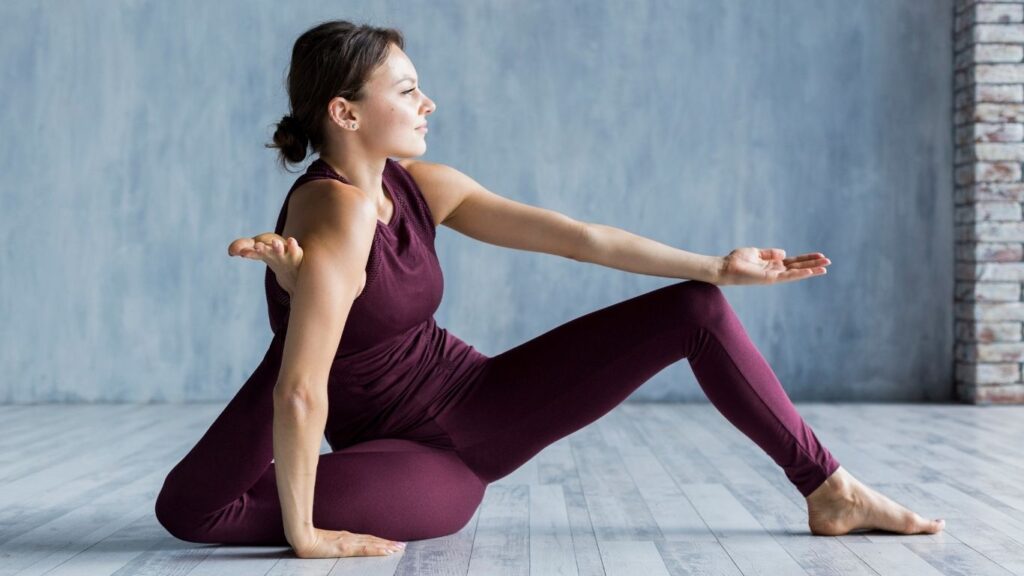
Yoga is a powerful tool for improving both flexibility and strength, two essential components for overall health and well-being. Whether you are a beginner or an experienced yogi, incorporating the following yoga poses into your routine will help increase flexibility, build muscle strength, and promote body balance. These poses are ideal for those who want to enhance their physical fitness and boost their mental focus.
1. Downward-Facing Dog (Adho Mukha Svanasana)
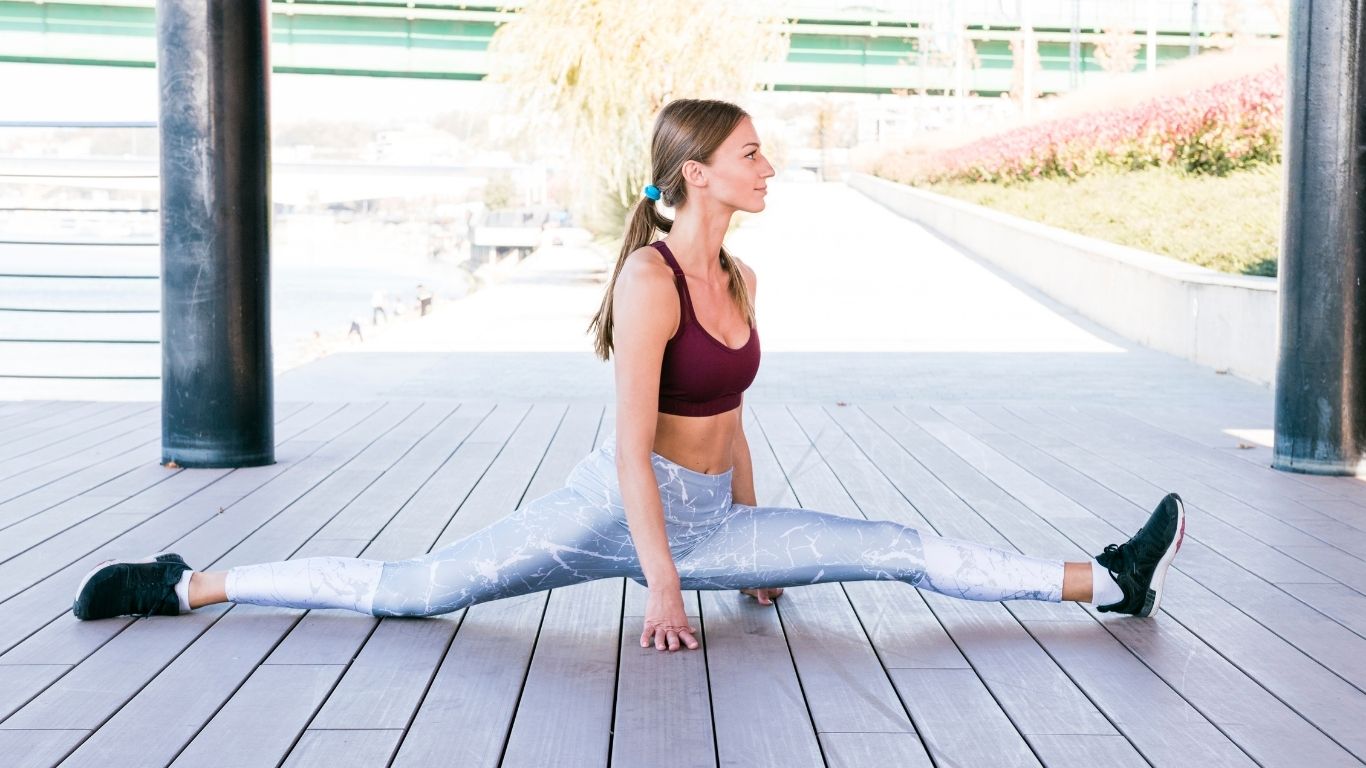
The Downward-Facing Dog is a foundational yoga pose that targets multiple muscle groups. It stretches the hamstrings, calves, and spine while strengthening the shoulders, arms, and legs. This pose is known for improving flexibility in the lower back and legs while building strength in the arms and core.
How to Do It:
Start in a tabletop position with your hands directly under your shoulders and knees under your hips. Lift your hips towards the ceiling, straighten your legs, and press your heels towards the ground. Keep your arms extended, and your head between your arms, with your gaze directed towards your feet.
2. Warrior II (Virabhadrasana II)
Warrior II is an excellent pose for building leg and core strength while improving hip flexibility. It also opens up the chest and shoulders, making it a great pose for overall body strength and stability.
How to Do It:
Stand with your feet wide apart and turn your right foot out by 90 degrees. Bend your right knee so your thigh is parallel to the floor, keeping your left leg straight. Extend your arms out to the sides, palms facing down. Gaze over your right hand, and hold for several breaths before switching sides.
3. Tree Pose (Vrksasana)
Tree Pose helps improve balance, strengthen the legs, and open the hips. This pose also engages the core and enhances your ability to focus and center your mind, making it a great pose for building strength in both the body and the mind.
How to Do It:
Stand with your feet hip-width apart. Shift your weight onto your left leg and place the sole of your right foot on the inner thigh or calf (avoid the knee). Bring your palms together in front of your chest or extend your arms overhead. Keep your gaze fixed on a point in front of you for better balance.
4. Cobra Pose (Bhujangasana)
Cobra Pose is a great way to improve flexibility in the spine while strengthening the muscles of the back and arms. This backbend helps stretch the chest, abdomen, and spine, making it an excellent pose for improving posture and relieving back tension.
How to Do It:
Lie on your stomach with your hands placed under your shoulders and elbows close to your body. Press your legs into the mat as you slowly lift your chest off the ground, extending your arms straight and keeping your elbows slightly bent. Gently arch your back and look up, keeping your core engaged.
5. Triangle Pose (Trikonasana)
Triangle Pose is a deep stretch that enhances flexibility in the legs, hips, and spine. It also strengthens the legs, hips, and core while helping to improve balance and stability. This pose encourages deep breathing and promotes a sense of grounding.
How to Do It:
Begin by standing with your feet wide apart. Turn your right foot out 90 degrees and extend your arms to the sides. Hinge at your hips to reach your right hand towards your right foot while extending your left arm toward the ceiling. Keep both legs straight, and look up toward your left hand.
6. Child’s Pose (Balasana)
Child’s Pose is a restful yoga pose that stretches the back, hips, and thighs. It is often used as a counterpose after more intense poses and helps relieve tension in the body. It also provides a moment of relaxation and a chance to reconnect with your breath.
How to Do It:
Kneel on the floor with your big toes touching and knees apart. Sit back on your heels, then fold forward, bringing your forehead to the mat and your arms stretched out in front of you. Allow your chest to rest on your thighs and breathe deeply.
7. Plank Pose (Phalakasana)
Plank Pose is a full-body strengthening pose that engages the core, arms, shoulders, and legs. It is one of the most effective poses for building strength, particularly in the core area, and is essential for maintaining good posture and stability.
How to Do It:
Start in a push-up position with your hands directly under your shoulders and your body in a straight line from head to heels. Engage your core and legs, keeping your neck in line with your spine. Hold for 30 seconds to one minute, or as long as you can maintain proper form.
FAQ Section
Q1: How often should I practice these yoga poses for flexibility and strength?
It’s recommended to practice yoga at least 3-4 times a week for noticeable improvement in flexibility and strength. However, the frequency can vary depending on your fitness level and goals. Consistency is key to seeing progress.
Q2: Can beginners do these poses?
Yes, all these poses can be modified for beginners. If you’re new to yoga, start with a gentle approach and gradually build up your strength and flexibility over time. Using props like blocks and straps can also help make the poses more accessible.
Q3: How long should I hold each pose?
For flexibility, aim to hold each pose for 20-30 seconds. For strength-building, try holding the poses for 30 seconds to 1 minute. Focus on deep, steady breathing while maintaining each pose.
Q4: What are the benefits of practicing yoga for flexibility and strength?
Practicing yoga regularly helps improve your overall flexibility, mobility, and balance. It also builds muscle strength, particularly in the core, arms, and legs, and supports mental clarity and relaxation.
Q5: Should I warm up before doing these yoga poses?
Yes, it’s essential to warm up before practicing yoga. Start with some gentle stretches or a few rounds of Sun Salutations to prepare your muscles and joints for the poses. This helps prevent injury and improves your overall performance.