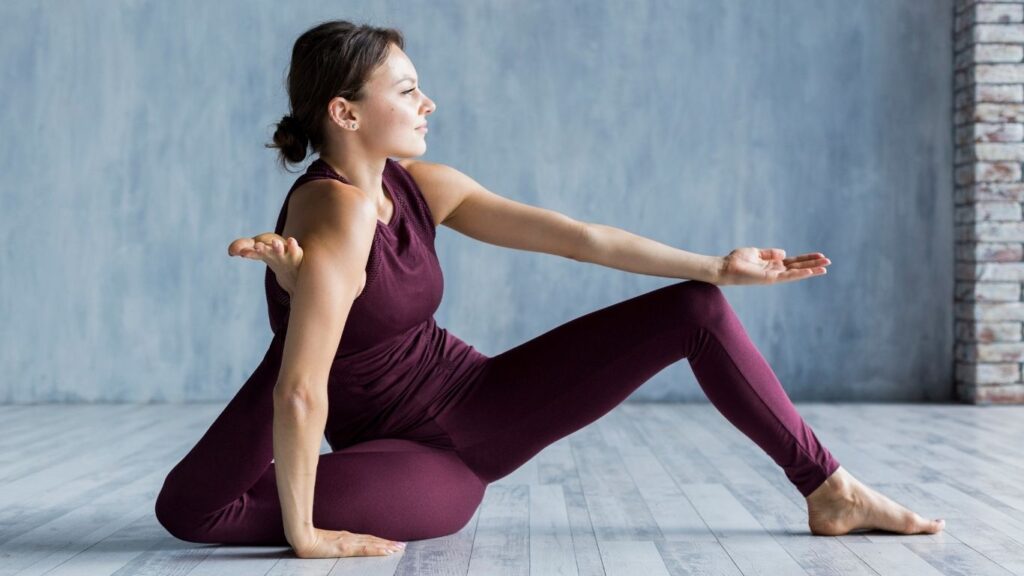
Yoga isn’t just about flexibility and strength; it’s a powerful tool for improving mental health. Regular practice can have a significant impact on how you feel, both physically and emotionally. Here are six yoga poses that are particularly effective at lifting your mood and boosting mental well-being. These poses focus on releasing tension, enhancing relaxation, and calming the nervous system.
1. Child’s Pose (Balasana)
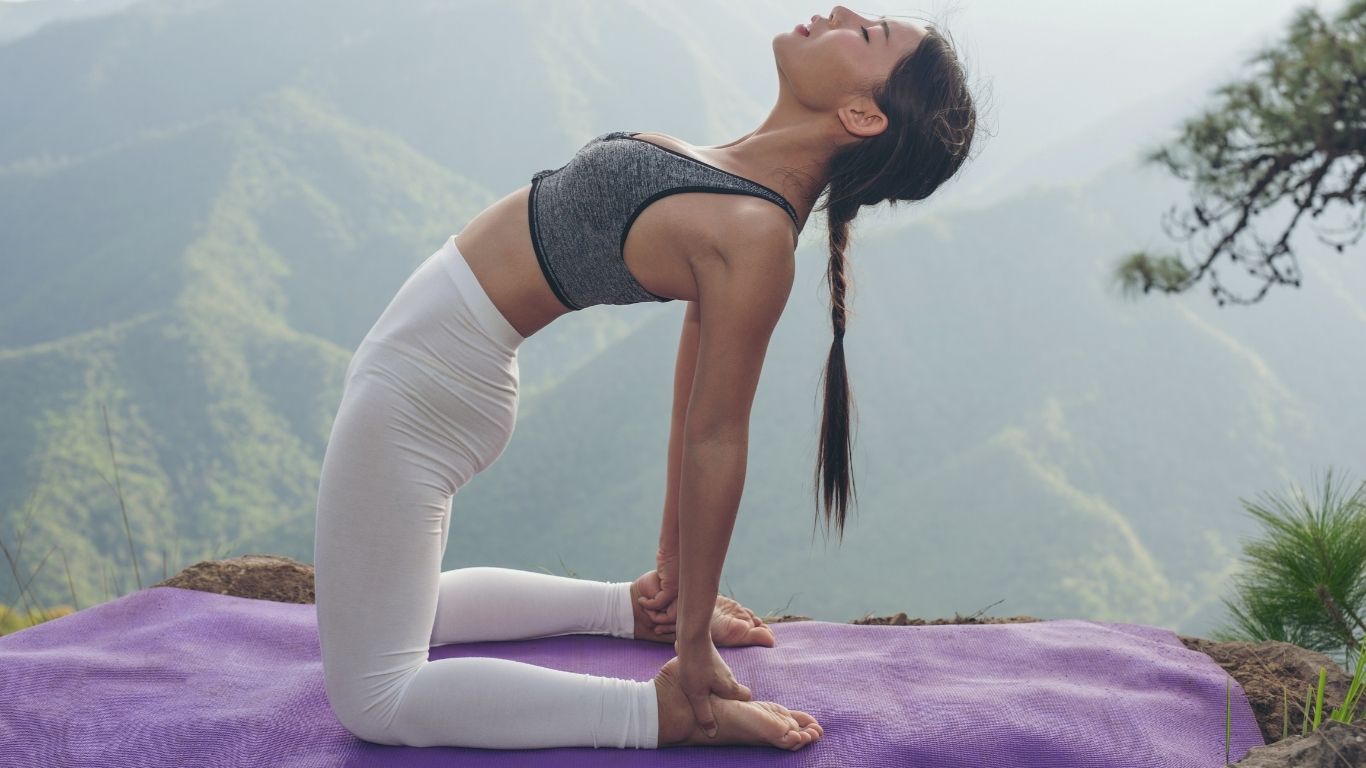
Why It Works: Child’s pose is a calming posture that helps release tension in the back and shoulders. It encourages deep breathing and provides a sense of safety and surrender. This pose can help calm the mind, reduce anxiety, and restore emotional balance.
How to Do It:
- Start by kneeling on the mat with your big toes touching and knees apart.
- Sit back onto your heels, lowering your torso to the floor.
- Stretch your arms forward and rest your forehead on the mat.
- Hold for 5-10 breaths, allowing your body to relax deeply with each exhale.
2. Downward-Facing Dog (Adho Mukha Svanasana)
Why It Works: Downward-facing dog is an energizing pose that stretches the body and helps relieve stress. It improves circulation and encourages deep, rhythmic breathing, which has a soothing effect on the nervous system.
How to Do It:
- Begin in a tabletop position with your hands directly under your shoulders and knees under your hips.
- Lift your hips toward the ceiling, straightening your legs and bringing your heels towards the mat.
- Keep your hands shoulder-width apart and feet hip-width apart.
- Hold for 5-10 breaths, feeling the stretch in your hamstrings and back.
3. Bridge Pose (Setu Bandhasana)
Why It Works: Bridge pose opens the chest, neck, and hips, which are often tight due to stress or negative emotions. By lifting your body and expanding the chest, this pose encourages feelings of openness and positivity.
How to Do It:
- Lie on your back with your knees bent and feet flat on the floor, hip-width apart.
- Press your feet into the mat as you lift your hips toward the ceiling.
- Clasp your hands beneath your back and press your arms into the ground for support.
- Hold for 5-10 breaths, gently lifting your chest towards your chin.
4. Warrior II (Virabhadrasana II)
Why It Works: Warrior II promotes feelings of strength and confidence. This powerful pose is known to reduce stress and improve mental clarity. By rooting down through the feet and stretching out through the arms, Warrior II helps ground the body and mind.
How to Do It:
- Begin in a standing position with your feet wide apart.
- Turn your right foot out 90 degrees and bend your right knee, making sure it is directly over your ankle.
- Extend your arms parallel to the floor, with your palms facing down.
- Look over your right hand and hold for 5-10 breaths, then switch sides.
5. Cat-Cow Pose (Marjaryasana-Bitilasana)
Why It Works: This dynamic flow between Cat and Cow poses helps relieve tension in the spine and neck, which can often be a source of mental stress. It also promotes deep breathing and encourages mindfulness.
How to Do It:
- Start in a tabletop position with your hands and knees on the mat.
- Inhale as you drop your belly towards the mat and lift your chest and tailbone towards the ceiling (Cow Pose).
- Exhale as you round your back, tucking your chin and drawing your belly button towards your spine (Cat Pose).
- Continue to flow between these two positions for 5-10 rounds of breath.
6. Seated Forward Bend (Paschimottanasana)
Why It Works: Seated forward bend helps release tension in the back and hamstrings. This calming pose has a grounding effect and encourages introspection and relaxation, helping reduce anxiety and stress.
How to Do It:
- Sit on the mat with your legs extended in front of you.
- Inhale as you lengthen your spine, reaching your arms overhead.
- Exhale as you fold forward, bringing your chest toward your thighs and your hands towards your feet.
- Hold for 5-10 breaths, allowing your body to relax with each exhale.
FAQ
1. How often should I practice these poses for mental health benefits?
You can practice these poses daily, either in the morning to start your day with clarity or in the evening to unwind and release stress. Consistency is key to experiencing the long-term mental health benefits of yoga.
2. Can these poses help with anxiety and depression?
Yes, these yoga poses are excellent for reducing symptoms of anxiety and depression. They focus on deep breathing, mindfulness, and releasing physical tension, which can help soothe the nervous system and improve mood.
3. How long should I hold each pose?
For beginners, holding each pose for 5-10 breaths is a good starting point. As you become more experienced, you can hold each pose longer or move into a flow, combining several poses together to enhance the benefits.
4. Are these poses suitable for beginners?
Yes, these poses are beginner-friendly. They can be modified to suit your comfort level, and they are gentle enough to be practiced by most people. Always listen to your body and avoid pushing yourself too hard.
5. How do I incorporate yoga into my daily routine?
You can start with a short 10-15 minute session each day, focusing on the poses that resonate most with you. Gradually increase the duration and complexity of your practice as you become more comfortable. You can also include yoga as a warm-up or cool-down to other physical activities.
Conclusion
These six yoga poses are simple yet powerful ways to boost your mood and enhance mental well-being. Whether you’re new to yoga or a seasoned practitioner, incorporating these poses into your daily routine can help reduce stress, increase relaxation, and promote a more balanced, positive mindset.