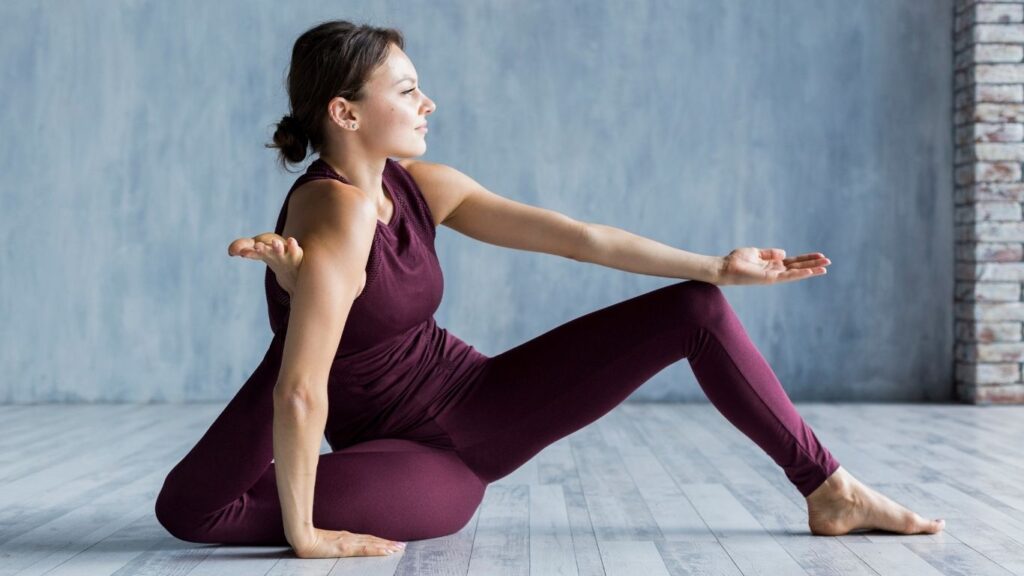
A good night’s sleep is essential for mental clarity, emotional stability, and physical well-being. However, many of us struggle to unwind after a long day, making it difficult to fall asleep. Yoga, with its focus on relaxation and mindfulness, can be a great way to calm the mind and prepare your body for sleep. Here are five yoga poses that can help you relax and enjoy a peaceful night’s rest.
1. Child’s Pose (Balasana)
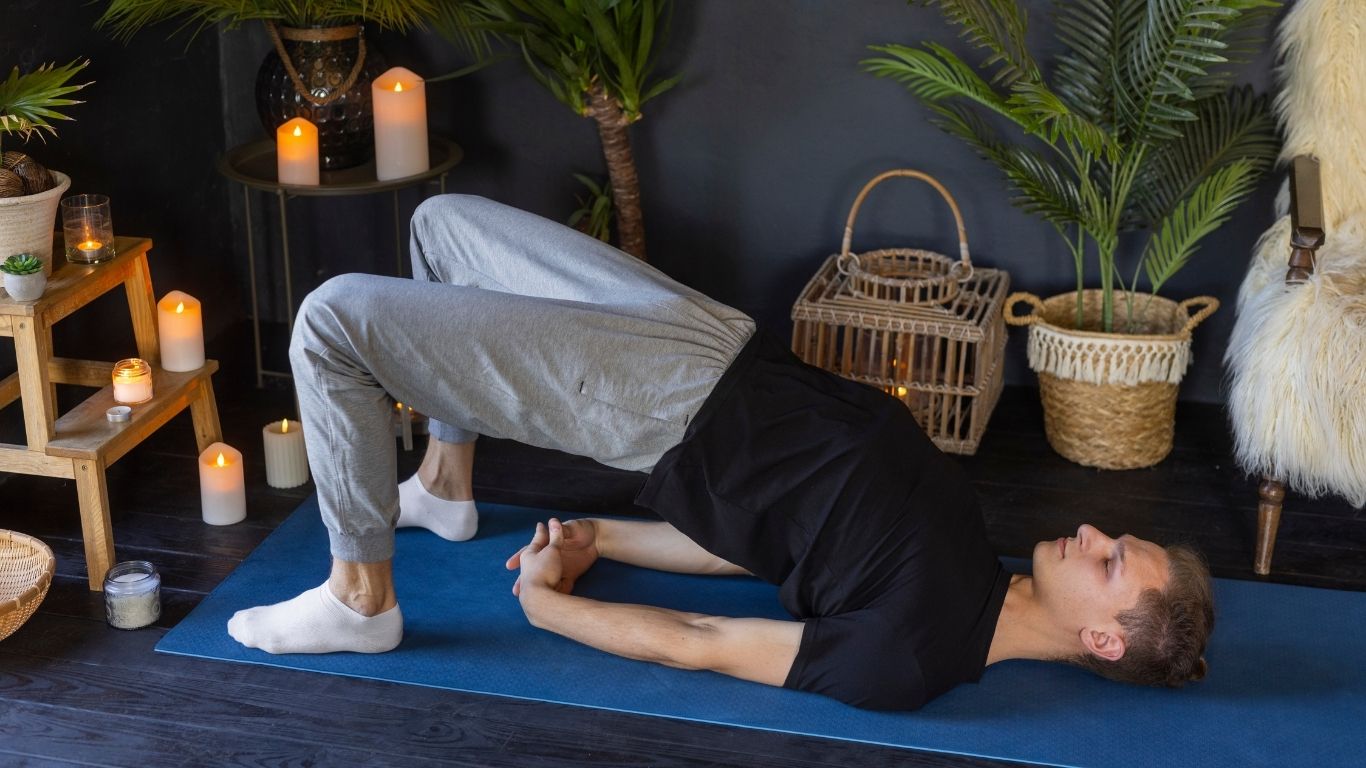
How it helps: Child’s Pose is a restorative yoga posture that gently stretches your back, hips, and thighs while promoting relaxation. It’s an excellent pose for releasing tension, which can help calm both the body and the mind, setting the tone for sleep.
How to do it:
- Start by kneeling on the floor, with your big toes touching and knees spread apart.
- Sit back on your heels, then slowly lower your chest to the floor, resting your forehead on the mat.
- Extend your arms forward or place them by your sides, palms facing up.
- Breathe deeply and relax into the pose, allowing your body to release tension.
2. Legs Up the Wall (Viparita Karani)
How it helps: This gentle inversion pose helps to relax the body and calm the nervous system. By elevating your legs, you promote circulation and reduce fatigue. It’s particularly helpful for those who experience restless legs or tension in the lower body.
How to do it:
- Sit with one hip against a wall, then slowly swing your legs up and rest them against the wall.
- Your body should form an L-shape, with your legs extended upwards and your back flat on the floor.
- Keep your arms at your sides, palms facing up, and close your eyes to focus on your breath.
- Stay in the pose for 5 to 10 minutes, breathing deeply and allowing your body to relax.
3. Reclining Bound Angle Pose (Supta Baddha Konasana)
How it helps: This pose helps open the hips and release tension in the lower back, which can be particularly soothing after a long day. It also helps calm the mind and is beneficial for deep breathing, a technique that prepares the body for rest.
How to do it:
- Lie on your back and bring the soles of your feet together, allowing your knees to fall open to the sides.
- Place your hands on your belly or by your sides with palms facing up.
- Breathe deeply, focusing on your inhales and exhales, and allow your body to relax into the stretch.
- Stay in this pose for 5 to 10 minutes to deeply relax before bed.
4. Cat-Cow Pose (Marjaryasana-Bitilasana)
How it helps: This dynamic movement sequence helps release tension in the spine and neck, while also encouraging deep breathing. It’s a great way to calm the mind and prepare the body for sleep by promoting fluid motion and relaxation.
How to do it:
- Begin on all fours with your wrists directly under your shoulders and your knees under your hips.
- Inhale and arch your back (Cow Pose), lifting your tailbone and chest towards the ceiling.
- Exhale and round your spine (Cat Pose), tucking your chin and tailbone.
- Continue to move through this sequence for 5 to 10 breaths, focusing on the movement and your breath to calm your nervous system.
5. Savasana (Corpse Pose)
How it helps: Savasana is the final pose in most yoga sessions, and it’s an essential part of relaxation. It helps calm the mind, release physical tension, and balance your energy, making it the perfect pose to end your evening practice before bed.
How to do it:
- Lie flat on your back with your legs extended and arms resting by your sides, palms facing up.
- Close your eyes and take slow, deep breaths, letting go of any thoughts or distractions.
- Focus on releasing any tension in your body, starting from your toes and working your way up to your head.
- Stay in this pose for at least 5 minutes, allowing your body and mind to completely relax.
FAQ
1. How long should I hold each yoga pose for maximum relaxation?
For most of these yoga poses, holding each one for 3 to 5 minutes is sufficient to promote relaxation. However, feel free to stay in a pose for longer if it feels good to your body.
2. Can yoga really help me sleep better?
Yes! Yoga helps calm the mind, release physical tension, and promote relaxation. These effects can significantly improve your ability to fall asleep and stay asleep, especially when practiced regularly.
3. Should I do yoga right before bed?
Yoga can be practiced before bed to help relax and wind down. However, avoid vigorous or overly stimulating poses close to bedtime. Stick to gentle, restorative poses that focus on relaxation.
4. Do I need any special equipment for these poses?
No special equipment is needed, but a yoga mat is helpful for comfort and stability. You might also want to have a blanket or cushion for support in poses like Child’s Pose or Reclining Bound Angle Pose.
5. Can yoga replace sleep medications?
Yoga can be a great alternative to help with sleep-related issues, but it’s not a replacement for prescribed sleep medications. If you have chronic sleep problems, it’s always best to consult with a healthcare provider.