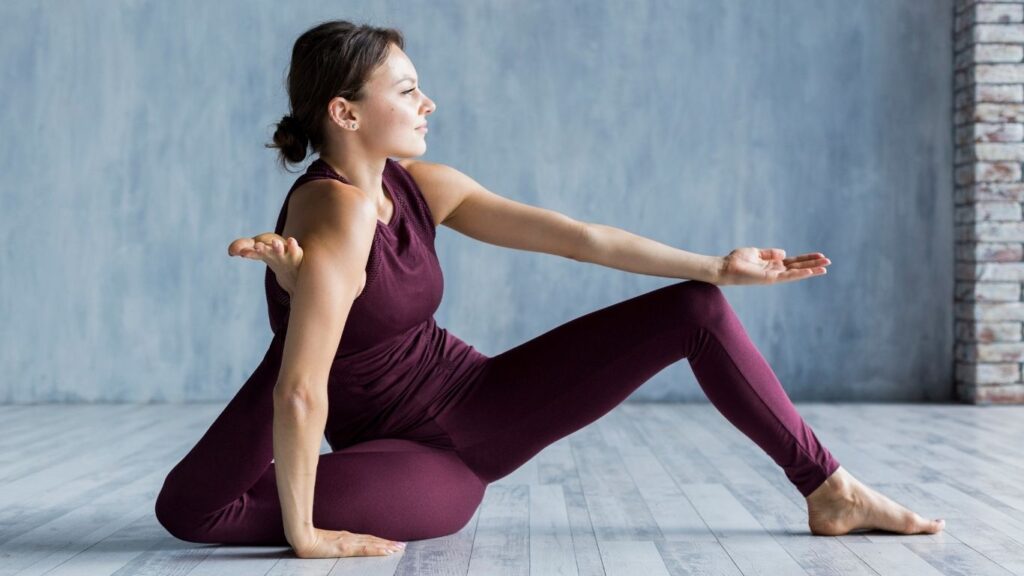
Introduction to Restorative Yoga
Restorative yoga focuses on relaxation and rejuvenation, helping the body recover from stress and physical strain. Unlike more dynamic styles of yoga, restorative yoga emphasizes long-held, gentle poses that deeply stretch the body and calm the mind. These poses are designed to activate the parasympathetic nervous system, promoting healing and restoring the body to its natural state of balance. Below, we explore five restorative yoga poses that can enhance total body healing.
1. Supta Baddha Konasana (Reclining Bound Angle Pose)
How to Perform: Begin by sitting on the floor with your legs extended in front of you. Bend your knees and bring the soles of your feet together, allowing your knees to fall out to the sides. Slowly recline back, placing a bolster or cushion under your spine for support. Place your arms at your sides with palms facing up. Breathe deeply, allowing your chest and hips to open while maintaining a sense of calm and relaxation.
Benefits: Supta Baddha Konasana opens the hips and chest, encouraging deep relaxation and improving circulation. It helps release tension in the lower back, which can often be a source of discomfort after long periods of sitting or standing.
2. Viparita Karani (Legs Up the Wall Pose)
How to Perform: Sit with one hip close to a wall, then lie back and extend your legs up the wall, ensuring that your back and head are resting comfortably on the floor. Place a bolster or blanket under your hips for added support. Relax your arms by your sides, palms facing up. Close your eyes and focus on your breath as you allow your body to settle into the pose.
Benefits: This pose helps to reverse the effects of gravity, promoting better circulation and draining excess fluid from the legs. It’s incredibly soothing for those who stand or sit for extended periods, offering relief to tired legs and reducing swelling.
3. Balasana (Child’s Pose)
How to Perform: Start on your hands and knees in a tabletop position. Slowly lower your hips back toward your heels, stretching your arms forward or placing them by your sides. Rest your forehead gently on the floor, and breathe deeply into your back and abdomen. Use a cushion or bolster to support your body if needed for extra comfort.
Benefits: Child’s Pose is a restorative posture that releases tension in the back, hips, and thighs. It promotes deep relaxation and calms the nervous system. This pose is especially helpful for relieving stress and promoting a sense of inner peace.
4. Savasana (Corpse Pose)
How to Perform: Lie flat on your back with your legs extended comfortably and your arms at your sides, palms facing up. Close your eyes and take deep, steady breaths. Allow your body to relax completely, consciously releasing tension in each muscle group. Focus on the present moment, letting go of any distractions or worries.
Benefits: Savasana is often referred to as the most important pose in yoga, as it allows the body to integrate the benefits of the practice. It helps to reduce stress and anxiety while promoting overall relaxation. It also assists in lowering blood pressure and calming the nervous system.
5. Setu Bandhasana (Bridge Pose)
How to Perform: Lie on your back with your knees bent and feet flat on the floor, hip-width apart. Press your feet into the mat and lift your hips toward the ceiling, engaging your glutes and thighs. Place your arms at your sides with palms facing down. For an extra restorative experience, place a block or cushion under your hips to support the pose.
Benefits: Bridge Pose strengthens the lower back, glutes, and legs while stretching the chest, spine, and hips. It can also help alleviate lower back pain and improve posture. This pose brings balance to the body, aiding in emotional and physical healing.
Conclusion
Restorative yoga is a wonderful practice for those seeking to reduce stress, alleviate pain, and promote overall healing. By incorporating these five restorative yoga poses into your routine, you can enhance your body’s natural ability to recover and restore balance. These gentle, supportive postures will help you cultivate relaxation and mindfulness, supporting your journey to total body healing.
FAQ
1. How long should I hold each restorative yoga pose?
Restorative yoga poses are typically held for 3 to 5 minutes, allowing the body to fully relax into each position. However, you can hold the poses for longer if you feel comfortable, as the goal is to deeply relax and release tension.
2. Can restorative yoga help with chronic pain?
Yes, restorative yoga can be beneficial for managing chronic pain. The slow, gentle movements and deep relaxation help release muscle tension and improve circulation, which can provide relief for chronic pain conditions like back pain, arthritis, and fibromyalgia.
3. Is restorative yoga suitable for beginners?
Absolutely! Restorative yoga is an excellent choice for beginners due to its focus on relaxation, deep breathing, and gentle movements. It can be a great way to ease into yoga practice, especially if you are new to physical activity or recovering from an injury.
4. How often should I practice restorative yoga for healing?
For optimal healing, aim to practice restorative yoga 2 to 3 times a week. Consistency is key, but listening to your body is important as well. If you feel the need for more rest, feel free to practice more frequently or incorporate restorative poses into your daily routine.
5. What should I do after a restorative yoga session?
After a restorative yoga session, take time to rest and hydrate. Drink plenty of water to help flush out toxins and support your body’s recovery. You may also want to journal or meditate to extend the feelings of relaxation and mindfulness gained during your practice.